Single-Ply Membranes for Flat Roof Protection
TPO Roofing in Midland for commercial buildings and low-slope roofs where membrane durability, seam strength, and drainage performance determine system success
Flat and low-slope commercial roofs in West Texas face challenges that residential pitched roofs do not encounter: water that moves slowly across nearly horizontal surfaces, UV exposure that degrades roofing membranes year-round, and thermal cycling that stresses seams and attachment points daily. TPO roofing consists of thermoplastic polyolefin membranes installed as a single-ply system over commercial roof decks, providing a continuous waterproofing layer secured either mechanically with fasteners and plates or adhered directly to the substrate. Freedom Roofing LLC installs TPO roofing throughout Midland for commercial property owners who need reliable flat roof systems that address the region's harsh conditions. With 38 years of roofing experience and direct owner oversight on every project, the company evaluates each building's roof configuration, drainage design, and structural capacity to determine whether TPO is the appropriate system.
TPO roofing addresses commercial buildings with flat or low-slope roof designs where water drainage relies on subtle slope and strategically placed drains rather than gravity alone. The system includes insulation layers over the roof deck, the TPO membrane itself, and properly detailed penetrations for HVAC equipment, vent pipes, and roof drains. Installation requires heat-welding seams to create watertight bonds between adjacent membrane sheets, a process that demands specific equipment, temperature control, and technique to produce seams stronger than the membrane material. The roofing system must also accommodate thermal expansion as the membrane heats and cools with daily temperature swings common in Midland and surrounding areas.
Contact Freedom Roofing LLC to schedule a roof inspection and determine whether TPO roofing suits your commercial building's configuration and requirements.
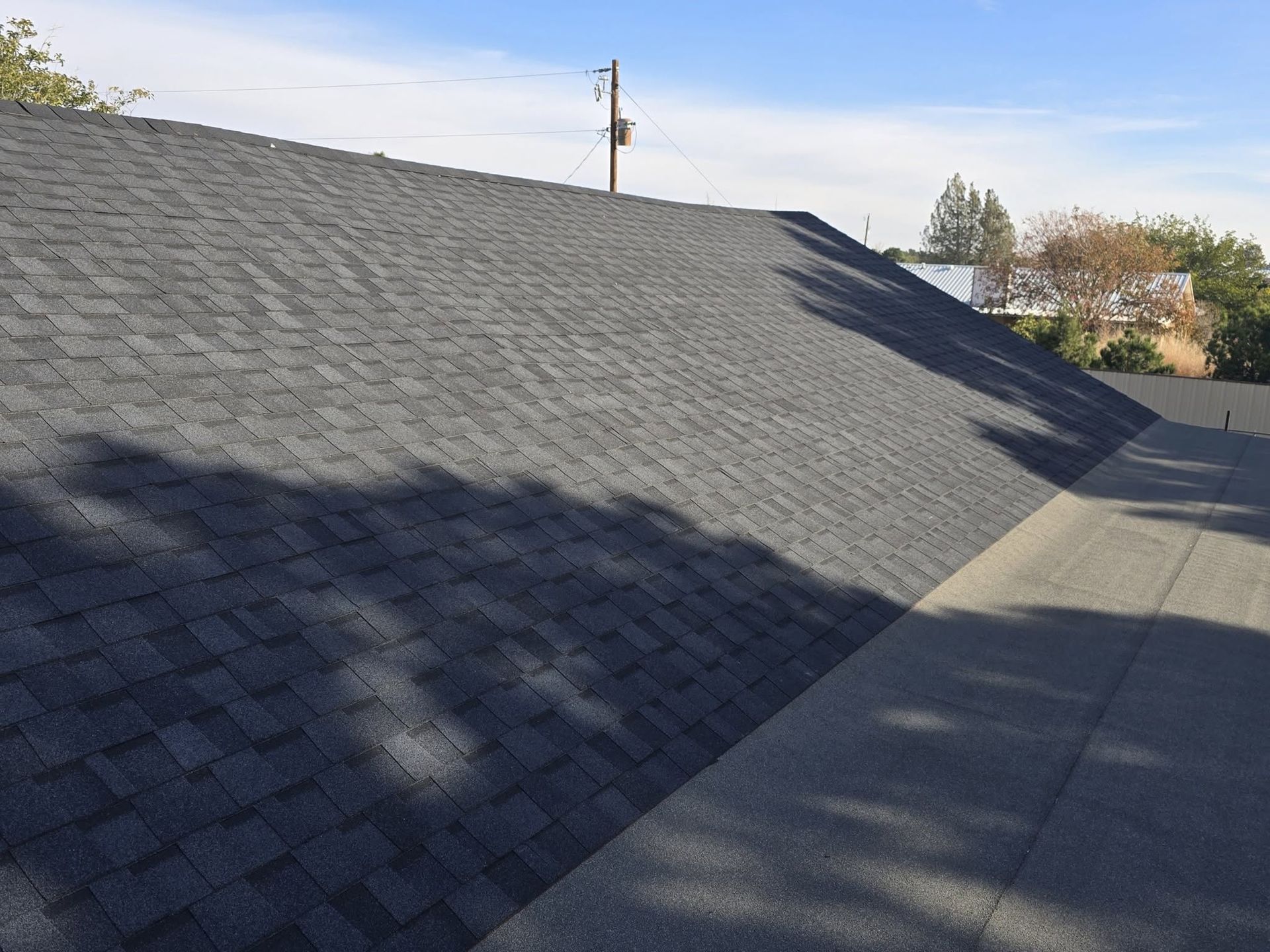
TPO installation begins with removing the existing roofing system if a replacement is required, inspecting the roof deck for damage or inadequate structural support, and addressing any issues before new materials are installed. Insulation boards are placed over the deck in a staggered pattern to prevent thermal bridging and improve energy performance, followed by the TPO membrane, which is rolled out in large sheets across the roof surface. Seams between sheets are heat-welded using specialized equipment that fuses the material together, creating bonds that resist wind uplift and water infiltration more effectively than adhesive or tape-sealed seams.
After TPO roofing installation is complete, your building's roof presents a uniform white or light-colored surface that reflects solar heat rather than absorbing it. Water no longer pools in low spots after rainstorms because proper drainage slopes were integrated during installation, and roof drains function without clogging from debris or inadequate flow capacity. Inside your building, you notice that ceiling stains no longer expand after rain events, and temperature control becomes more consistent as the reflective membrane reduces heat gain through the roof. The roofing system performs quietly without membrane flapping during wind events, indicating that mechanical fasteners or adhesive hold the material securely across the entire roof area.
TPO roofing requires periodic maintenance to sustain performance over time. Roof drains must be kept clear of debris, seams and penetration flashings should be inspected after severe weather, and foot traffic from maintenance crews must be managed to prevent membrane punctures or scuffing. The membrane surface will accumulate dirt over time, which reduces its reflectivity, though the waterproofing function remains intact even as the appearance changes.
What Property Owners Usually Ask
Commercial property owners evaluating TPO roofing for their buildings often have questions about system performance, installation requirements, and maintenance considerations.
What types of buildings are appropriate for TPO roofing?
TPO works well on commercial buildings with flat or low-slope roofs where the structure can support the combined weight of insulation and membrane, drainage systems are designed to prevent standing water, and the roof is accessible for installation equipment. Office buildings, retail centers, warehouses, and other commercial structures commonly use TPO as a cost-effective single-ply roofing solution.
How does TPO roofing perform in Midland's climate?
TPO membranes resist UV degradation better than some older single-ply systems, reflect solar heat to reduce roof surface temperatures, and maintain flexibility across the wide temperature range West Texas experiences seasonally. Heat-welded seams remain watertight under wind stress and thermal cycling, addressing two primary failure modes that affect flat commercial roofs in this region.
What is the difference between mechanically attached and fully adhered TPO?
Mechanically attached systems use fastener plates through the membrane or insulation to secure the roofing assembly to the deck, which installs more quickly but creates potential puncture points. Fully adhered systems bond the membrane directly to the substrate using adhesive, eliminating fasteners but requiring more labor and specific weather conditions during installation. The choice depends on building design, wind load requirements, and budget considerations.
How long does TPO roofing installation take?
Installation duration varies based on roof size, complexity, and the attachment method used. A straightforward commercial roof may be completed in several days, while larger buildings or those with extensive rooftop equipment and penetrations require longer installation periods to properly detail all transitions and flashing points.
Why does roofing experience matter for TPO installations?
TPO requires specific knowledge of seam welding techniques, proper insulation placement to prevent thermal bridging, flashing details for penetrations and roof edges, and drainage design to prevent ponding water. Contractors with decades of commercial roofing experience understand how membrane systems behave under West Texas conditions and can identify potential problems during installation rather than discovering them after the roof fails.
Freedom Roofing LLC provides free estimates for TPO roofing projects serving commercial properties throughout Midland and the West Texas region. Arrange a roof evaluation, discuss your building's roofing system needs, and receive a project proposal that addresses your property's specific drainage requirements, structural considerations, and performance expectations.